August 3, 2026
Pipes Frozen in Rapid City? Here’s What to Do Right Now
Emergency Plumbing · Rapid City, SD
Pipes Frozen in Rapid City? Here's What to Do Right Now
Quick Answer
If a pipe has frozen, shut off your main water valve first, then open the nearest faucet to relieve pressure. Warm the frozen section gently with a hair dryer or warm towels — never an open flame. If you see water pooling, smell gas, or can't reach the frozen section, stop and call a licensed plumber right away.
Key Takeaways
- Never use a blowtorch or open flame to thaw a pipe — it's a fire risk and can crack the pipe further.
- Shutting off the water main first limits damage if the pipe has already split, even if you can't tell yet.
- Crawlspaces, exterior walls, and unheated additions are the most common freeze points in older Rapid City homes.
- If you can't find the frozen section or nothing changes after 30-45 minutes of gentle heat, it's time to call a plumber.
Why Rapid City Pipes Freeze in the First Place
Water expands by about 9% when it turns to ice. That expansion is what splits a pipe, not the cold on its own. Rapid City winters regularly drop into the single digits or below for stretches at a time, usually between December and February, and any line that isn't buried below the frost line or properly insulated is exposed to that risk.
The pipes most likely to freeze aren't the ones running through your heated living space. They're the ones in unheated crawlspaces, along exterior walls in additions built without modern insulation, or feeding a detached garage or outdoor spigot. Older Rapid City neighborhoods, especially homes built before the 1990s, tend to have more of these vulnerable runs than newer construction.
How to Tell a Pipe Has Frozen
The most obvious sign is a faucet that only trickles or won't run at all, especially if it was working fine the night before. Other clues:
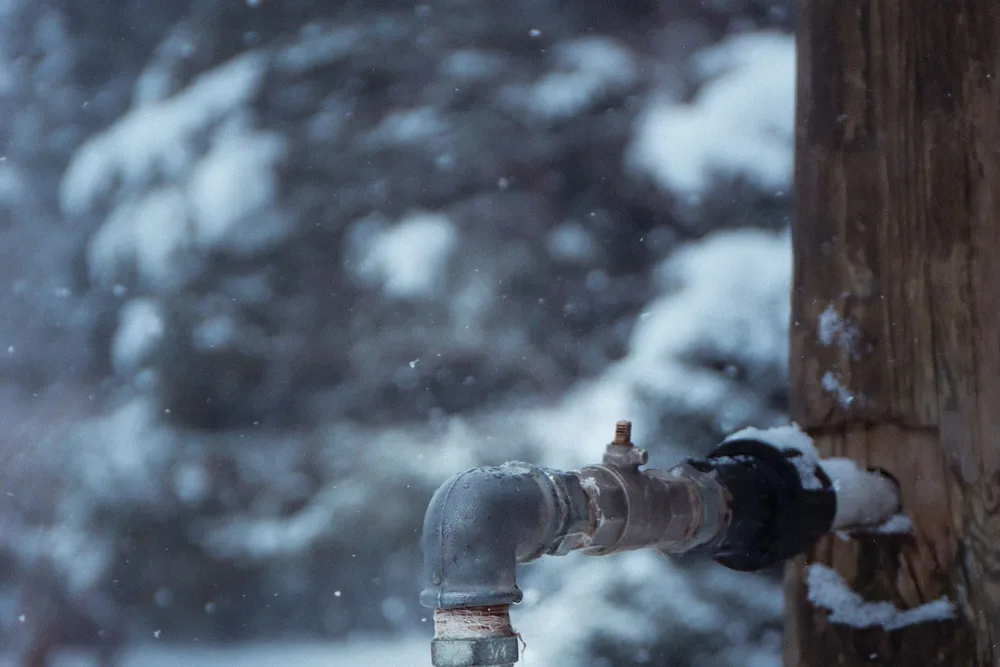
- Frost visible on a section of exposed pipe
- A faint odor coming from a drain (this can mean a trap has frozen)
- A pipe that looks slightly swollen or bulged in one spot
- Only one fixture affected while others in the house work normally, which helps you narrow down where the freeze is
Step-by-Step: What to Do About a Frozen Pipe
- Find the affected section. Trace the pipe from the fixture that's not working back toward the point it enters an unheated space — a crawlspace, exterior wall, attic, or garage are the usual suspects.
- Shut off the main water valve if you suspect the pipe may have already cracked, even if you don't see water yet. This limits damage if it lets go while you're working on it.
- Open the nearest faucet on that line. This relieves pressure and gives the melting ice somewhere to go instead of building up behind it.
- Apply gentle, even heat. A hair dryer on a low setting, an electric heating pad, or towels soaked in warm (not boiling) water all work. Start from the end closest to the faucet and work back toward the coldest point.
- Keep the heat moving. Don't hold a hair dryer on one spot for too long, and don't leave a space heater unattended near the pipe.
- Check the faucet periodically. A slow drip returning to a steady stream means you're through the blockage.
Safety Tips
Never use a propane torch, blowtorch, or any open flame to thaw a pipe. Older pipe insulation and nearby framing can catch fire faster than you'd expect, and heating one spot too fast can crack a pipe that's already under pressure from trapped ice.
Keep electrical tools and heat sources away from any standing water. If you smell gas anywhere near the frozen line, leave the area and call from outside rather than investigating further. And if reaching the frozen section means climbing into a tight crawlspace or attic you're not comfortable in, that's a reasonable place to stop and call a professional instead.
When You Shouldn't Try This Yourself
Skip the DIY approach and call a plumber if:
- The pipe has already split or you can see water leaking or pooling
- The frozen section is inside a wall, ceiling, or another spot you can't physically reach
- You've applied gentle heat for 30-45 minutes with no change
- More than one fixture or line is affected at once
- The frozen section is on the main line coming into the house, not just a branch line
When to Call a Professional
Any of the situations above are a good reason to call. So is simply not knowing where your main shutoff valve is — that's worth finding out before an emergency, not during one. A licensed plumber can safely thaw a pipe you can't reach, confirm whether it's already cracked, and replace a damaged section without causing more harm to the surrounding wall or foundation.
What It Costs to Fix a Frozen or Burst Pipe
Cost depends heavily on whether the pipe just needs thawing or has already split and needs a section replaced, plus how accessible it is. We don't publish a flat number for this because of that variation — instead, our plumbers diagnose the situation on arrival and give you a flat-rate quote before any repair work begins, so you know the cost before you commit to it.
Preventing Frozen Pipes Next Winter
- Insulate exposed pipes in crawlspaces, attics, and garages with foam pipe sleeves
- Seal drafts near where pipes run through exterior walls or foundations
- Open cabinet doors under sinks on exterior walls during extreme cold snaps so warm air can reach the pipes
- Let a faucet drip slightly on the coldest nights — moving water is harder to freeze
- Keep garage doors closed if any water lines run through the garage
- Locate your main water shutoff valve now, before you need it in an emergency
Frequently Asked Questions
It varies with temperature and how much water is trapped, but it can happen within a few hours of a hard freeze. That's why shutting off the main valve as soon as you suspect a freeze is worth doing even before you've confirmed a leak.
Yes, a hair dryer on a low or medium setting is one of the safer DIY methods. Keep it moving along the pipe rather than holding it in one spot.
It can help warm the surrounding area, but never leave it unattended, and keep it a safe distance from any wood framing, insulation, or standing water.
If you've traced the line back to an inaccessible spot, like inside a finished wall or a tight crawlspace, call a plumber rather than opening up drywall yourself.
Many homeowner's policies cover sudden, accidental water damage from a burst pipe, but coverage details vary by policy and insurer. Check with your provider directly to confirm what's covered.
Look for water stains, pooling water, a hissing sound, or a noticeable drop in water pressure elsewhere in the house. If you see any of these, shut off the main valve and call a plumber instead of attempting to thaw it yourself.
Yes. Moving water inside a pipe is harder to freeze than standing water, and a slow drip also relieves pressure that builds up if ice does start to form.
Exposed or poorly insulated pipes can start freezing when outdoor temperatures stay at or below roughly 20°F for several hours, though it depends on how exposed the pipe is and how much wind is involved.
Often, yes. Homes built before the 1990s more commonly have shallow or uninsulated supply lines in additions, crawlspaces, and garages that weren't built to current insulation standards.
If you'll be away during a cold stretch, shutting off the main valve and draining the lines is a reasonable precaution, especially if no one will be checking on the house regularly.
Final Thoughts
A frozen pipe is inconvenient. A burst one is expensive. The difference between the two often comes down to acting quickly and knowing when a DIY fix isn't the right call. If you're ever unsure, it's always safer to shut off the water and get a professional opinion than to guess.
Dealing With a Frozen or Burst Pipe Right Now?
Our Rapid City team is on call 24/7 for exactly this. Call now or request service online and we'll walk you through it.