August 3, 2026
Water Heater Not Producing Hot Water? Common Causes and Fixes
Water Heaters · Rapid City, SD
Water Heater Not Producing Hot Water? Common Causes and Fixes
Quick Answer
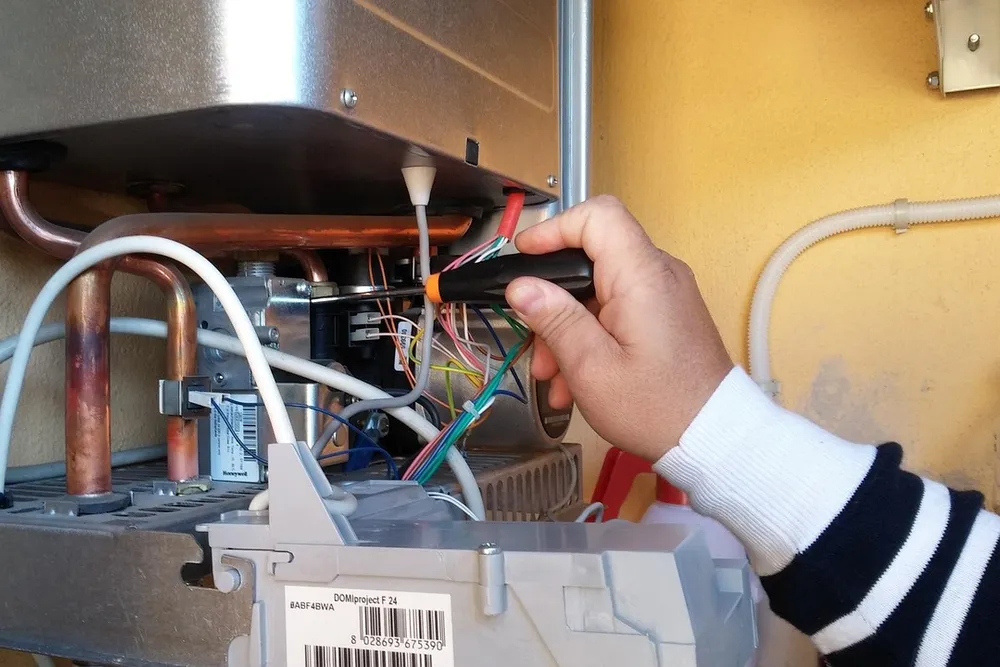
No hot water usually traces back to a tripped breaker, a gas supply or pilot light issue, a failed heating element or thermocouple, or sediment buildup insulating the tank from its own burner. Check the power and gas supply first, then the thermostat setting. If the pilot won't stay lit, you smell gas, or you see water pooling at the tank, stop and call a licensed plumber.
Key Takeaways
- A tripped breaker or closed gas valve is the most common, and easiest to fix, cause of no hot water.
- Sediment from Rapid City's hard water is a major long-term cause of heating element failure and popping or rumbling noises.
- Never attempt gas line, burner, or electrical panel repairs yourself if you're not experienced — call a professional instead.
- Tank water heaters typically last 8-12 years; past that age, repair cost is worth weighing against replacement.
Why Your Water Heater Stops Producing Hot Water
The cause usually depends on whether you have a gas or electric tank, or a tankless unit. Electric tanks most often lose hot water to a tripped breaker, a burned-out heating element, or a faulty thermostat. Gas tanks more often lose it to a pilot light that's gone out or a thermocouple that's failed, which shuts the gas valve off as a safety measure.
Across both types, sediment buildup is a bigger factor here than in a lot of places. Much of the water supplied to Rapid City-area homes carries a meaningful mineral load, and over years that settles at the bottom of the tank. It insulates the water from the heating element or burner, makes the unit work harder, and is the usual reason for popping or rumbling sounds as trapped water boils under the sediment layer.
Tankless units run into a different set of issues — usually mineral scale on the heat exchanger triggering an error code, or a unit that's simply undersized for how much hot water the household is trying to pull at once.
Common Symptoms Worth Paying Attention To
- No hot water at all, even after waiting
- Hot water that runs out much faster than it used to
- Water that's lukewarm but never gets fully hot
- Popping, rumbling, or knocking sounds from the tank
- Water pooling on the floor near the base of the tank
- A tankless unit displaying an error code instead of running normally
Step-by-Step: What to Check First
- Check the power or gas supply. For electric units, check the breaker panel for a tripped switch. For gas units, confirm the gas valve is open and the pilot light is lit.
- Check the thermostat setting. It should typically be set around 120°F. If it's set correctly but water still isn't hot, the thermostat itself may have failed.
- Listen for sediment. Popping or rumbling sounds usually mean mineral buildup at the bottom of the tank, which a flush can often improve.
- Try relighting a gas pilot light following the instructions printed on the unit. If it lights but won't stay lit, that points to a failed thermocouple, which needs professional replacement.
- For tankless units, check the display for an error code and try a power cycle per the manufacturer's manual. Persistent codes after a reset usually mean a service call is needed.
- Consider the age of the unit. A tank water heater struggling past 10-12 years old is a reasonable candidate for replacement instead of another repair.
Safety Tips
Never attempt to work on a gas supply line, the burner assembly, or a home's electrical panel yourself unless you're trained to do so. If you smell gas near the unit at any point, leave the area and call from outside rather than continuing to investigate.
Water heater tanks hold a large volume of hot, pressurized water. Be cautious around the temperature and pressure relief valve, and don't attempt to drain or flush a tank you're unfamiliar with without following the manufacturer's shutdown steps first.
When You Shouldn't Try This Yourself
- The pilot light won't stay lit after a couple of attempts
- You smell gas anywhere near the unit
- Water is visibly pooling or leaking from the tank itself
- The breaker trips again immediately after resetting it
- A tankless unit keeps showing the same error code after a reset
When to Call a Professional
Any of the situations above is a good reason to call. A licensed plumber can safely diagnose whether the issue is a repairable component, like a heating element or thermocouple, or a sign the tank itself has failed and needs replacing. Tankless systems in particular are worth having a professional sized and serviced correctly, since an undersized unit will keep running into the same problem no matter how many times it's reset.
What It Costs to Fix or Replace a Water Heater
Cost depends on whether the issue is a single failed part, like a thermocouple or heating element, or a full tank replacement. It also depends on whether you're sticking with a tank system or considering a switch to tankless. We diagnose the actual cause on-site and give you a flat-rate quote before any repair or installation work begins, so you're not guessing at the cost going in.
Preventing This From Happening Again
- Flush the tank annually to clear out sediment before it builds up enough to cause problems
- Keep the thermostat around 120°F — higher settings waste energy and add strain
- Consider a water softener at the point of entry, which cuts down on the mineral buildup driving most of these issues in the first place
- Know your unit's age and plan for replacement before it fails outright, especially past the 10-year mark
- If you're tired of sediment and tank maintenance altogether, a properly sized tankless system removes the tank sediment problem entirely
Frequently Asked Questions
This usually points to a failed thermostat, a bad heating element (on hybrid units), or heavy sediment buildup insulating the burner from the water. A plumber can test the components to confirm which one it is.
A standard 40-50 gallon tank typically takes 30 minutes to an hour to fully reheat, depending on whether it's gas or electric. If it's taking noticeably longer than it used to, that's often a sign of sediment buildup or a failing heating element.
It's common, but it's not something to ignore. Those sounds almost always mean sediment has built up at the bottom of the tank, and a flush usually resolves it before it leads to bigger problems.
Both can cause similar symptoms, and testing them safely requires shutting off power and using a multimeter correctly. This is one we'd recommend leaving to a plumber rather than guessing.
Yes. Much of the water supplied to Rapid City-area homes carries a meaningful mineral load, and over years that scales up inside the tank, shortening its lifespan and reducing heating efficiency.
Once a year is a reasonable default for most homes here, though homes with especially hard water may benefit from more frequent flushing.
120°F is the standard recommendation. It's hot enough for household use while reducing scald risk and cutting down on unnecessary energy use and strain on the unit.
Tank water heaters typically last 8-12 years. Tankless systems often last longer with proper descaling maintenance, but both depend heavily on water quality and upkeep.
If the unit is past 10 years old and the repair is a significant one, replacement is often the more cost-effective choice long-term. A plumber can walk you through the tradeoff for your specific unit.
Error codes on tankless units are commonly tied to mineral scale on the heat exchanger, a flow sensor issue, or the unit being undersized for demand. Check the manufacturer's code list, but a code that returns after a reset usually needs a service call.
A leaking tank usually means the tank itself has failed internally and needs replacement, not just a repair. Shut off the water supply and power or gas to the unit, and call a plumber rather than waiting to see if it gets worse.
Final Thoughts
Most no-hot-water calls come down to one of a handful of causes, and a few of them are things you can check safely yourself. But water heaters involve gas, electricity, and pressurized hot water all at once, so it's worth knowing where your own troubleshooting should stop and a professional should take over.
Ready for a Real Fix, Not Another Guess?
We diagnose the actual cause and give you a flat-rate price before any repair or replacement work begins.