Water Softener & Filtration · Rapid City, SD
Rapid City-area water carries a meaningful mineral load, and it shows up as scale in water heaters, spotted glassware, and fixtures that wear out early. A properly sized softener, with filtration where it's needed, fixes it at the source instead of one appliance at a time.
What We Install
We size systems to your household's water use and the specific hardness and taste issues in your home.
Salt-based ion-exchange softeners installed at the main line to remove calcium and magnesium hardness.
Point-of-entry filtration for taste, odor, sediment, or chlorine, independent of or alongside a softener.
A single system addressing both hardness and filtration where a home's water needs both.
Sizing based on household size, water usage, and a test of your home's specific hardness level.
Diagnosis and repair for existing softeners that have stopped regenerating or are underperforming.
An on-site hardness test to confirm what your home actually needs before we recommend a system.
How It Works
We test your water's hardness level and size a system to your household's actual usage.
We recommend a softener, a filter, or a combined system based on what the test shows.
The system is installed at the point where water enters your home, treating everything downstream.
We set the regeneration schedule and walk you through salt levels and basic upkeep.
Know the Difference
These two systems get confused constantly, and they solve different problems, as the table below shows.
| What It Addresses | Water Softener | Filtration System |
|---|---|---|
| Hardness minerals (calcium, magnesium) | Removes it | No |
| Scale buildup in water heaters & pipes | Prevents it | Not addressed |
| Taste, odor, chlorine | Not addressed | Improves it |
| Sediment & specific contaminants | Not addressed | Depending on media |
| Uses salt & regeneration cycle | Yes | No |
Local Insight
Homeowners across Rapid City search for water softener solutions more consistently than they search for almost any other plumbing fix, and that pattern tracks with what we see in the field. Much of the water reaching homes in this region carries a noticeable mineral load, and unlike a leak or a clog, hardness doesn't announce itself with an obvious failure. It just quietly accumulates.
The first places it shows up are usually cosmetic: a chalky white residue around faucet aerators, spots that won't rinse off drinking glasses, soap that won't lather the way it should. Those are easy to dismiss. The more expensive consequence is what's happening inside your water heater tank and your fixtures' internal components, where mineral scale builds up on heating elements and cartridge seals where you can't see it.
A salt-based water softener works through a process called ion exchange. Water passes through a tank filled with resin beads that carry a sodium charge, and as hard water flows through, calcium and magnesium ions trade places with the sodium on the resin. The water leaving the tank is softened, and the resin periodically regenerates using salt from a connected brine tank to flush the collected minerals out and reset the beads for the next cycle. This is a mechanical, well-understood process, not a filter that needs replacing on a schedule, but a system that recharges itself. It's also why softeners and filters are genuinely different technologies: a softener's whole job is swapping out hardness minerals, while a filter physically strains or adsorbs other things out of the water. Neither one fully replaces the other, which is why we size systems based on what a home actually needs rather than defaulting to one type.
Beyond the visible scale and spotting, watch for a water heater that seems to be working harder than it should. Hot water that runs out faster than it used to, or skin and hair that feel different after showering, are worth noticing too. None of these are dramatic on their own, but together they usually point to hardness that's been building up for a while.
A water heater is one of the more expensive single appliances in a home's plumbing system. Scale buildup inside the tank is one of the more common reasons one fails earlier than it should. A softener installed ahead of either system is one of the most effective ways to extend its working life.
Installation starts with an on-site water test, since hardness levels vary somewhat across Rapid City, Box Elder, Summerset, Black Hawk, and Piedmont depending on the water source. From there we size a system to your household's actual usage and install it at the main line so it treats water for the whole home. We set the regeneration schedule and walk you through salt levels and basic upkeep before we leave.
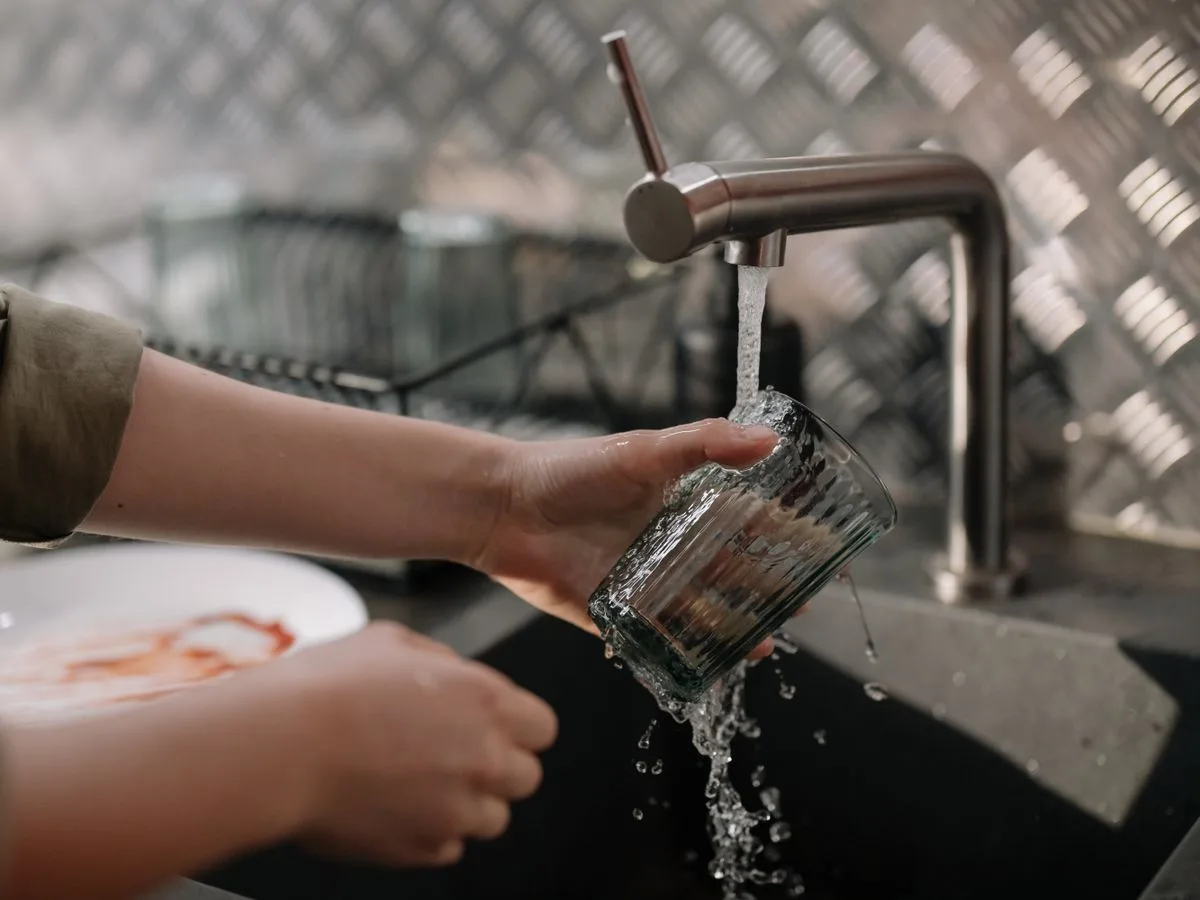
We cover water heater repair and replacement in detail on our water heater repair & installation page. If you're running or considering a tankless system, scale sensitivity is even more of a factor. That's addressed specifically on our tankless water heaters page.
Common Questions
A water softener uses ion exchange to remove hardness minerals like calcium and magnesium, which stops scale buildup. A filtration system targets taste, odor, sediment, or specific contaminants, and does not soften water on its own.
White or chalky scale on faucets and shower doors, spots on glassware after washing, and soap that won't lather well are common signs. A water heater showing reduced efficiency is another common sign of hard water in this area.
Yes. Scale from hard water builds up inside a water heater tank and on heating elements, reducing efficiency and shortening its service life. Removing hardness before it reaches the water heater reduces that buildup.
Many homes benefit from both, since they solve different problems: a softener for hardness and scale, a filter for taste, odor, or specific contaminants. We size a combined system based on a water test at your home.
Most single-system installations at the main water line are completed in a single visit, including the startup and settings walkthrough.
Get a water test and a straightforward softener or filtration recommendation for your Rapid City home.