Sewer Line Repair · Rapid City, SD

Sewer Line Backup? We Diagnose It With a Camera First.

Sewer failures rarely happen out of nowhere. Most trace back to decades-old clay tile or cast-iron pipe reaching the end of its service life. We diagnose the real cause with a camera before recommending trenchless or traditional repair, across Rapid City and the Black Hills.

  • Camera inspection before any repair quote
  • Trenchless & traditional repair options
  • Licensed & insured plumbers
  • Serving all of the Black Hills
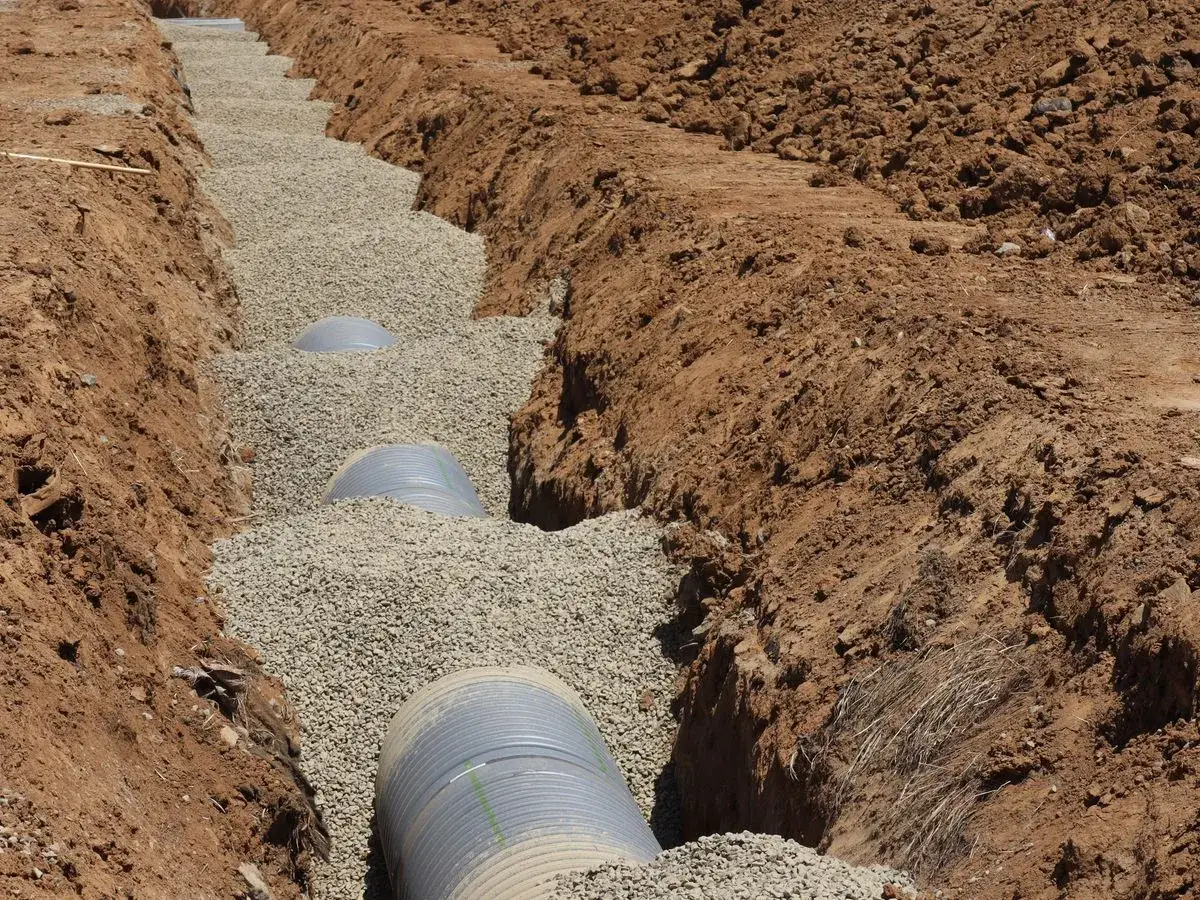
Sewer line being installed in an excavated residential trench in Rapid City, SD
See the Problem, Then Fix It Camera inspection · Trenchless lining · Root intrusion · Line replacement
24/7Emergency Dispatch
UpfrontFlat-Rate Pricing
Licensed& Fully Insured
LocalBlack Hills Owned

What We Handle

Sewer Line Issues We Diagnose and Repair

Main sewer line problems tend to affect multiple drains at once and often get worse under load, which is why an accurate diagnosis matters before any digging starts.

📹

Camera Inspection

A waterproof camera run through the line shows us the pipe's material, condition, and the exact location of any crack, break, or blockage.

🌱

Root Intrusion Removal

Tree roots working through joints or cracks in an aging line, cleared and repaired so they don't return through the same weak point.

🧵

Trenchless Pipe Lining

A new pipe lining is installed inside the existing line through a small access point, sealing cracks and root entry points without a full trench.

💣

Pipe Bursting

The old pipe is fractured outward as a new one is pulled through in its place, useful when the line is too damaged for lining alone.

🚜

Traditional Dig-and-Replace

Full excavation and replacement when the line's condition, depth, or location makes trenchless repair impractical.

🚽

Sewage Backup Diagnosis

Identifying whether a backup is coming from the main line, a lateral connection, or a fixture, so the repair targets the actual source.

How It Works

How We Approach a Sewer Line Repair

Camera Inspection

We run a camera through the line first to see the pipe material, its condition, and the precise location of the problem.

Compare Repair Options

Based on what the camera shows, we explain whether trenchless lining, pipe bursting, or traditional excavation fits your situation.

Flat-Rate Quote

You get a clear price for the recommended repair method before any work begins, including expected disruption to your yard or driveway.

Repair & Camera Re-Check

After the repair, we run the camera through the line again to confirm the fix holds along its full length.

Local Insight

Why Sewer Lines Fail in Rapid City's Established Neighborhoods

Many neighborhoods across Rapid City, Box Elder, Summerset, Black Hawk, and Piedmont were built out between the 1960s and 1980s, and a large number of homes from that era still run on their original sewer laterals. Two materials dominate from that period: clay tile pipe, assembled in short sections joined at regular intervals, and cast iron pipe, which was the more common choice in some subdivisions. Both materials are durable for decades, but neither was designed to last indefinitely, and both develop predictable failure patterns as they age past their realistic service life.

🧱

Clay Tile

Clay tile pipe is jointed rather than continuous, and those joints are exactly where tree roots find their way in, drawn by the moisture and nutrients inside the line. Once a root gets a foothold, it keeps growing and gradually widens the crack or gap it entered through, which can eventually shift sections of pipe out of alignment.

⚙️

Cast Iron

Cast iron pipe fails differently: it corrodes and scales from the inside over the decades, gradually narrowing the usable diameter of the line and making it more prone to blockage even without any root involvement.

Why the Problem Often "Appears" Suddenly During Heavy Rain

What makes sewer line failure frustrating is that it's rarely sudden in reality, even though it often feels that way. A line with root intrusion or partial corrosion can handle everyday flow for months or years without any obvious symptom. The trouble usually surfaces during a heavy rain event, when groundwater infiltrates the already-compromised line or extra flow pushes past a partial blockage that's been quietly narrowing the pipe.

That's often the moment a slow-building problem turns into a backup at the lowest drain in the house.

Because the underlying cause and the visible symptom don't line up in time, guessing at a repair without seeing the pipe first is a poor way to spend a sewer line budget. A camera inspection removes the guesswork: it shows us the pipe material, the exact point of failure, and whether root intrusion, corrosion, a bellied section, or a simple joint separation is behind the problem. That information determines whether trenchless pipe lining, pipe bursting, or a traditional dig-and-replace repair makes the most sense for that specific line.

Sewer line repair is also a different category of job from a slow or occasionally clogged drain. If what you're dealing with is a single fixture that drains slowly or clogs repeatedly rather than a whole-house backup, that's usually a drain cleaning issue rather than a main line problem. See our drain cleaning page for that side of things. When multiple drains are affected at once, or the lowest drain in the house backs up first, that's the signal that points to the main sewer line itself.
Common Questions

Sewer Line Repair FAQ

If more than one drain backs up at once, or the lowest drain in the house (often a basement floor drain) backs up first, that points to the main sewer line rather than a single clogged fixture drain.

Trenchless methods like pipe lining or pipe bursting rehabilitate or replace the line through small access points, while traditional repair excavates a trench along the pipe's path. Which one applies depends on the pipe's condition, material, and location.

Yes. Roots are drawn to the moisture and nutrients inside a sewer line and can enter through small cracks or joints, then expand until they crack or displace the pipe further.

Not always. Trenchless pipe lining and pipe bursting can often repair or replace a line through one or two small access points instead of a full-length trench, depending on what the camera inspection shows.

A standard camera inspection typically takes under an hour and gives us a clear view of the pipe's material, condition, and the exact location of any crack, blockage, or root intrusion.

Dealing With a Sewer Backup or Slow Line?

Get a camera-diagnosed answer before you commit to a repair method. We serve Rapid City and the Black Hills.